
Why Small Businesses Need Ongoing Website Maintenance — Not Just a Launch
 on
on You worked hard to launch your website. It looks good, loads quickly, and reflects your brand. But here is the truth: a website is not a one-time project. It is a living asset that needs ongoing care to stay secure, fast, and visible in search.
If you treat your site as “set-and-forget,” performance slips, security risks grow, and content goes stale. The businesses that win online keep their sites healthy with consistent updates and support.

A Quick Reality Check for Small Business Owners
Most small business websites are built with good intentions and then left alone for months. That is when the problems start to show up. A small business website maintenance plan prevents those slow, quiet issues that hurt credibility and sales.
Here are common warning signs that your site needs monthly care:
- You have not updated plugins or themes in 30+ days.
- The homepage mentions services you no longer offer.
- You do not know the last time a backup was tested.
- Page speed has slipped since the launch.
- You have never reviewed your SEO titles and descriptions.
If any of those sound familiar, it is time to get serious about ongoing maintenance.
The Reality: Websites Decay Without Care
A new website launch is only the starting line. After launch, your site begins to drift unless someone is actively maintaining it. Over time you may see:
- Slower load times as plugins, scripts, or images stack up.
- Broken pages or links after software updates.
- Outdated messaging that no longer matches your offers or market.
- Security risks from unpatched software.
This is why a website maintenance plan is not optional for a small business. It is the difference between a site that keeps bringing in customers and one that quietly underperforms.
What Ongoing Website Maintenance Actually Includes
A good maintenance plan is not just “fixing things when they break.” It is proactive and recurring. Here is what small businesses should expect month after month.
1. Website Updates and Support
Software updates keep your site compatible, stable, and safe. This includes core platform updates, plugins, themes, and third-party integrations. When updates are not applied, small issues become bigger ones and vulnerabilities can be exploited.
This is where website updates and support matter. A real plan means someone is monitoring your site, applying updates, testing changes, and rolling back safely if needed.
2. Security Monitoring and Hardening
If you are wondering how to keep a website secure, the answer starts with regular updates, backups, and monitoring. Security is not a one-time configuration — it is ongoing vigilance.
A solid maintenance plan includes:
- Updating software and dependencies.
- Regular backups and restore testing.
- Malware scanning and uptime monitoring.
- Access control and audit checks.
3. Performance and Speed Checks
Even small performance drops can reduce conversions and rankings. Ongoing maintenance makes sure your site stays lightweight, fast, and responsive by optimizing assets and keeping the tech stack clean.
4. Content and SEO Refreshes
Search engines reward active, relevant websites. That means you need fresh content, current service pages, and clean SEO metadata. A maintenance plan ensures your titles, descriptions, structured data, and internal links are updated as your business evolves.
5. Analytics and Conversion Improvements
Monthly care should include a quick review of analytics and user behavior. If a key page is underperforming or visitors are dropping off, you can fix the issue early instead of letting it run for months.
This is why a website maintenance plan checklist for small business should include both technical work and conversion-focused improvements.
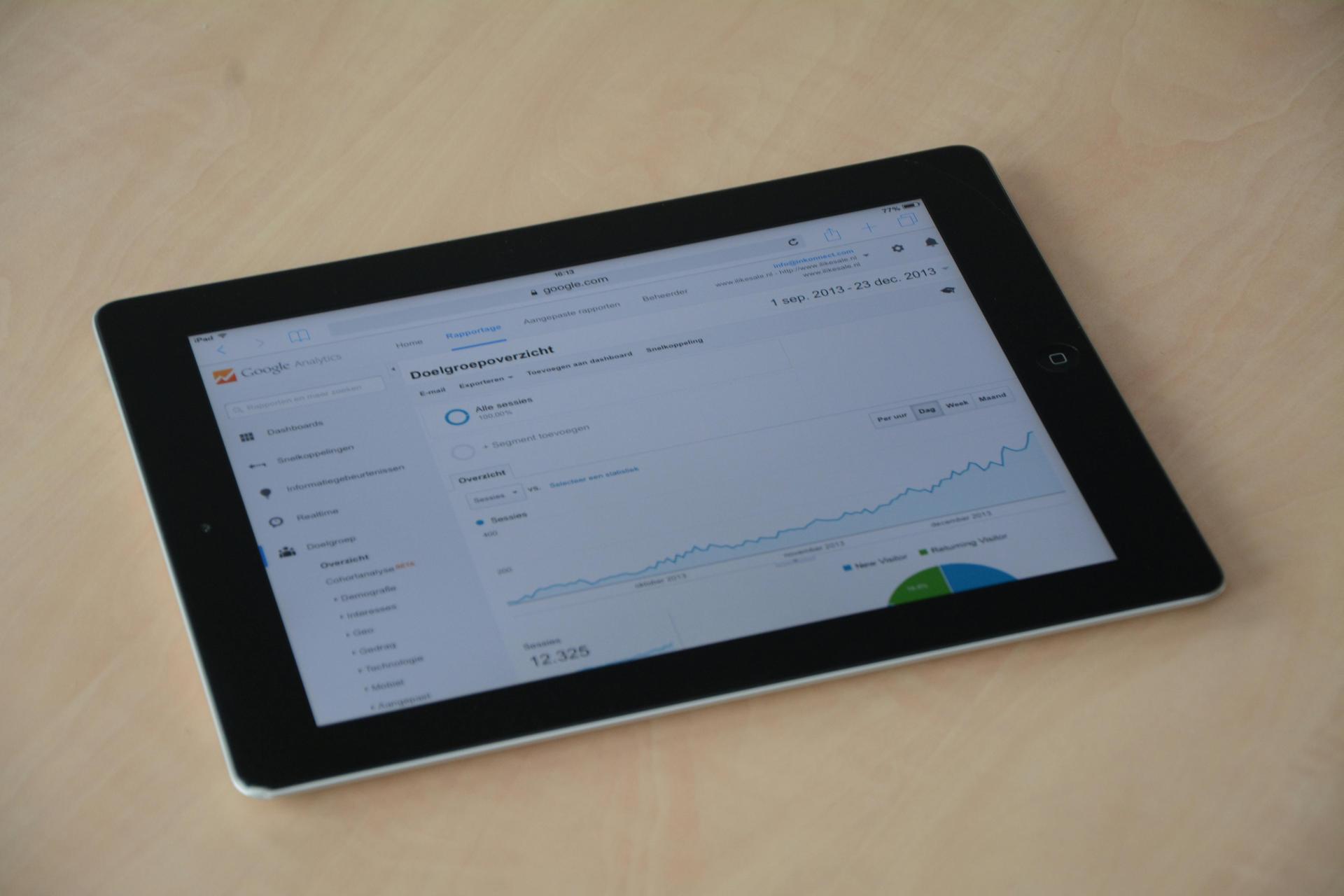
Monthly Website Service: What It Looks Like in Real Life
Some owners think “maintenance” is just a random check-in. A real monthly website service for small businesses is structured, predictable, and proactive.
Here is an example of what a typical monthly cycle can include:
- Week 1: Apply platform updates and test key flows.
- Week 2: Review speed, Core Web Vitals, and broken links.
- Week 3: Refresh SEO metadata or on-page content.
- Week 4: Confirm backups, security scans, and uptime logs.
That rhythm keeps the site healthy without constant emergencies.
Why “Launch and Leave” Costs More Over Time
Small businesses often avoid monthly care because it feels like an extra expense. In reality, skipping maintenance is usually more expensive:
- A hacked site can mean days of downtime and lost revenue.
- A slow website can reduce lead flow without you noticing.
- Outdated content can make you look less credible than competitors.
Ongoing care prevents these issues before they affect your customers. It is cheaper to maintain than to repair.
Website Maintenance Plan Checklist for Small Businesses
If you want a quick checklist for your own site, start here. A strong website maintenance plan includes security and updates, speed checks, and ongoing content review.
- Platform, plugin, and dependency updates.
- Backups with periodic restore testing.
- Security scans, firewall rules, and access audits.
- Broken link checks and 404 cleanup.
- Image optimization and performance reviews.
- SEO title, description, and internal link updates.
- Content accuracy review for key service pages.
- Analytics review and conversion improvements.
If your current provider is not doing these consistently, you are likely missing critical protection.
The BerylCode Approach: Monthly Website Service That Actually Helps
At BerylCode, we designed our monthly website service to keep small business sites running like a well-tuned engine. Our goal is simple: you focus on your business, and we handle the tech.
Our ongoing support includes:
- A structured website maintenance plan tailored to your site.
- Reliable website updates and support every month.
- Security monitoring and proactive fixes.
- Speed and SEO optimization to keep your site competitive.
- Content changes and guidance when your business evolves.
We are not just a “launch and disappear” agency. We stay involved and accountable so your website keeps delivering results long after it goes live.

Ongoing Website Maintenance for Small Businesses: Common Questions
How often should updates be applied?
For most small businesses, monthly updates are the baseline. Security fixes may need faster attention depending on the platform. That is why ongoing website maintenance for small businesses works best as a monthly plan with quick-response support for urgent issues.
What if my website is already “working fine”?
That is exactly when maintenance matters. A site can look fine while security patches are missing or speed is slowly degrading. A monthly website maintenance plan for small business keeps things smooth before they become visible problems.
Is a monthly plan better than one-time fixes?
Yes. One-time fixes are reactive and usually cost more in the long run. A plan ensures website updates and support plan tasks are consistent and predictable.
How to Choose the Right Maintenance Partner
If you are comparing options, look for a provider that:
- Explains how they handle updates, backups, and security.
- Gives you a predictable monthly plan with clear deliverables.
- Measures speed and SEO performance over time.
- Responds quickly when you need changes or support.
Your website is a core business asset. Treat it like one.
Final Takeaway
A small business website is not a one-time purchase — it is an ongoing system that powers marketing, sales, and credibility. With the right maintenance plan, your site stays secure, fast, and SEO-ready month after month.
If you are ready for a partner who keeps your site running at its best, explore our Professional Small Business Website Design service to get a website with ongoing support, maintenance, and performance care built in from the start.